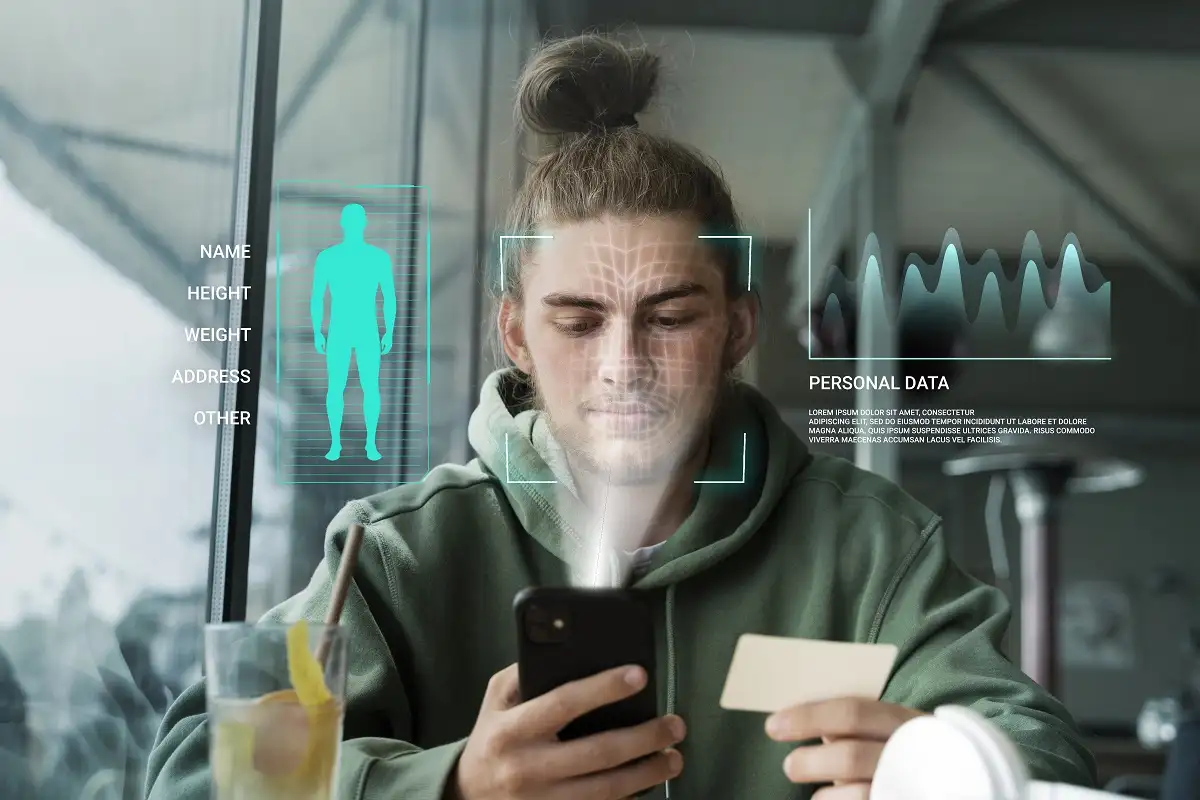
The modern internet is built on identity, curiosity, and constant interaction. Every day, users encounter unfamiliar usernames, random-looking codes, and unexplained terms while browsing search engines, social media platforms, forums, and comment sections. One such term that sparks curiosity is claudyna87590, which appears to be a unique digital identifier rather than a traditional word or brand name. Its structure, randomness, and lack of immediate context reflect a growing trend in how people name themselves online and how others respond to that mystery.
In today’s digital environment, encountering unknown usernames often leads users to search for meaning, intent, or origin. This behavior is not accidental—it is part of a broader human tendency to seek clarity and security online. Whether such a term is linked to a profile, a post, a message, or a system-generated label, it represents the complexity of digital presence in a connected world.
The Psychology Behind Searching Unknown Usernames
Human curiosity plays a powerful role in online behavior. When users see something unfamiliar, especially something that looks personal or coded, their first instinct is to search for it. Unknown usernames trigger questions such as:
-
Is this a real person?
-
Is it a bot or automated account?
-
Is it safe?
-
Is it connected to spam or fraud?
-
Is it linked to social media or hidden content?
This curiosity is amplified by the anonymity of the internet. Because anyone can create an account with almost any name, users often feel uncertain about authenticity. Searching for terms like claudyna87590 is a natural response to this uncertainty, helping people feel more informed and protected in digital spaces.
Understanding the Structure of Modern Usernames
Modern usernames often follow recognizable patterns. These patterns may include:
-
A personal name or nickname
-
A sequence of numbers
-
A combination of letters and digits
-
Automatically generated identifiers
-
Random strings designed for uniqueness
The presence of numbers at the end of a name often suggests one of two things: either the original name was already taken, or the account was auto-generated by a platform. In many cases, numbers do not carry personal meaning but exist simply to ensure uniqueness across millions of users.
When analyzing a name like claudyna87590, it fits neatly into this modern pattern. It appears personalized but also structured for availability, reflecting how digital identities are formed today.
Digital Identity: Real People vs Anonymous Presence
One of the biggest challenges online is distinguishing between real individuals and anonymous or automated entities. A username alone cannot confirm identity. Many real people use obscure or random names to protect their privacy, while some automated systems generate human-like usernames to appear authentic.
This uncertainty creates an environment where users must rely on additional signals such as:
-
Profile activity
-
Posting history
-
Interaction patterns
-
Platform verification
-
Context of appearance
A search for claudyna87590 may stem from encountering the name in a comment section, message request, or public post. The lack of immediate clarity encourages investigation, reinforcing how important transparency and digital literacy have become.
Search Engines and Keyword Curiosity
Search engines are often the first place users turn when they encounter unfamiliar terms. Even if a keyword has no established definition, people still search for it to see if others have experienced the same thing.
This behavior creates a loop:
-
Someone encounters an unknown term
-
They search for it
-
Search engines record interest
-
The term gains visibility
-
More users become curious
Over time, even obscure identifiers can become searchable entities. This is how digital curiosity transforms random usernames into searchable keywords, even without a clear origin or public profile.
Online Safety and Awareness
One of the most important reasons people search unfamiliar usernames is safety. The internet is full of phishing attempts, scam messages, fake profiles, and impersonation accounts. Searching before interacting is a smart and responsible habit.
When users search for claudyna87590, they may be trying to determine whether the identifier is safe or suspicious. This kind of behavior reflects growing awareness around cybersecurity and online protection. Users today are more cautious than ever, and rightfully so.
Basic safety practices include:
-
Avoid clicking unknown links
-
Do not share personal information
-
Verify identities before engaging
-
Use platform reporting tools
-
Trust verified or known sources
The Role of Anonymity in Internet Culture
Anonymity has always been a defining feature of the internet. While it allows free expression, creativity, and privacy, it also introduces uncertainty. Many users prefer not to reveal real names and instead choose identifiers that offer separation between personal and digital lives.
Anonymous usernames allow people to:
-
Explore interests freely
-
Protect real-world identity
-
Participate in discussions safely
-
Avoid harassment or targeting
-
Maintain privacy across platforms
However, anonymity also makes it harder for others to understand intent. This is why unfamiliar identifiers often lead to searches and discussions.
Social Media, Forums, and Username Visibility
Usernames gain visibility in many ways:
-
Comment sections
-
Online forums
-
Messaging apps
-
Public social media posts
Once a username appears in a public space, it becomes searchable. Even without intentional exposure, digital footprints form naturally. Over time, multiple searches for the same identifier can create perceived importance, even if the original source was minor.
This phenomenon explains why seemingly random usernames become topics of interest.
Digital Footprints and Information Gaps
Not every search leads to answers. Many identifiers exist without public information. This information gap can be frustrating but also educational. It reminds users that not everything online has a traceable history.
The absence of information does not necessarily mean danger—it may simply mean:
-
A private account
-
A new user
-
Limited platform usage
-
Restricted privacy settings
-
Auto-generated system name
Understanding this helps reduce unnecessary fear while encouraging cautious behavior.
How Platforms Generate or Allow Usernames
Different platforms handle usernames differently. Some allow complete freedom, while others apply algorithms to ensure uniqueness. Auto-generated usernames often combine names with numbers, especially when signing up quickly or through third-party services.
In such cases, users may not even choose their final username intentionally. This results in many identifiers that appear random but are completely harmless.
The Importance of Context
Context matters more than the name itself. Where the username appears tells you more than the username alone. A message from a trusted platform differs greatly from a random DM with suspicious links.
Before reacting, users should ask:
-
Where did I see this?
-
What action is being requested?
-
Does it match known behavior?
-
Is there pressure or urgency?
Critical thinking is the strongest tool for navigating digital uncertainty.
Education and Digital Literacy
Modern internet users must develop digital literacy skills. This includes understanding usernames, recognizing scams, and knowing when to investigate further.
Searching unfamiliar identifiers is part of that learning process. It empowers users to make informed decisions rather than reacting emotionally or impulsively.
Conclusion: Navigating Digital Curiosity Responsibly
The internet is full of unknowns, and curiosity is a natural response. Identifiers like claudyna87590 highlight how digital identity, anonymity, and user behavior intersect in today’s online world. While not every search leads to clear answers, the act of searching itself reflects growing awareness, caution, and responsibility among users.
Understanding that usernames can be personal, automated, private, or temporary helps reduce confusion and fear. By combining curiosity with critical thinking, users can navigate the digital landscape safely and confidently. See More