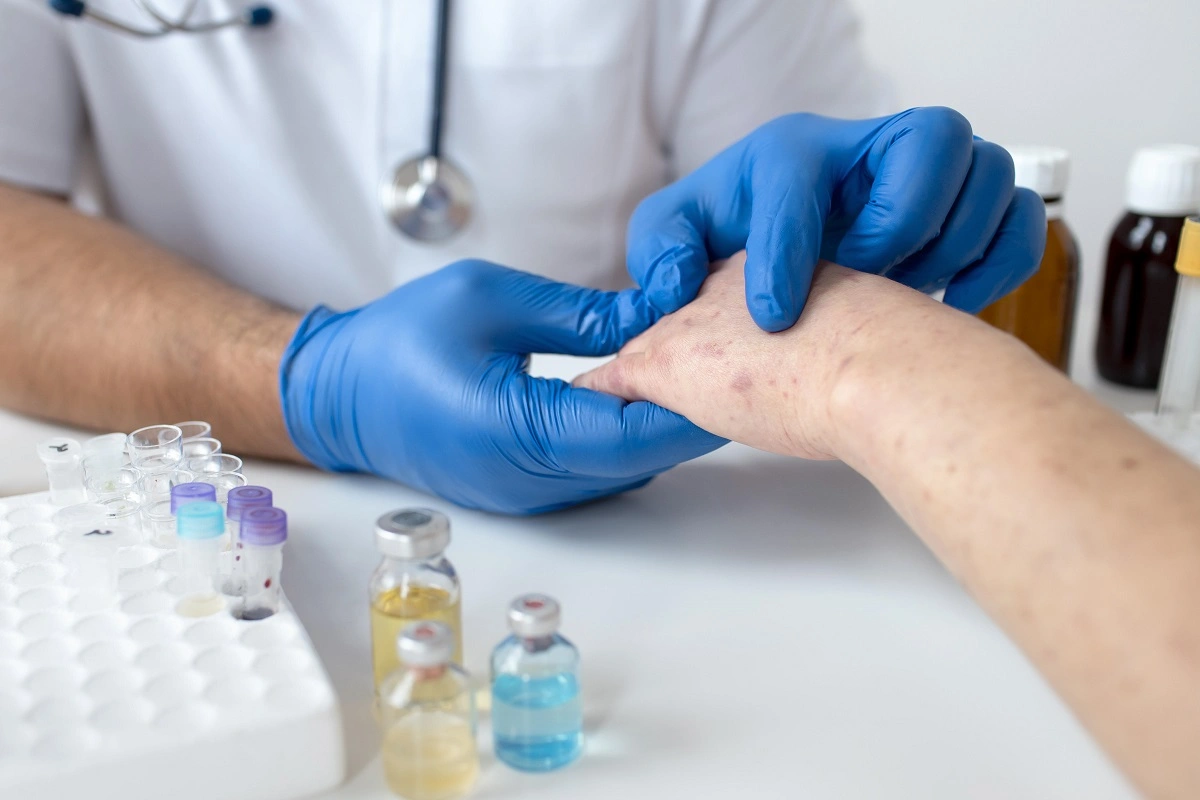
Eczema, a term for a group of medical conditions that cause the skin to become inflamed and irritated, affects over 31 million Americans according to the National Eczema Association. The condition can range from mild to severe, requiring different levels of care and treatment. As the search for relief continues, understanding the nuances of eczema is increasingly important.
From traditional medications to natural remedies, a spectrum of treatments exists to help manage this skin condition. In this article, we’ll explore the types of eczema, the most effective treatments available, lifestyle changes to alleviate symptoms, and when to consult healthcare professionals for further assistance.
Understanding Eczema and Its Various Types
Eczema, also known as Atopic Dermatitis, is characterized by dry, itchy skin, and rashes on various parts of the body. It’s a common condition that tends to flare periodically and may be accompanied by asthma or hay fever. Eczema can affect quality of life and mental health, with flare-ups often leading to sleep disturbances and self-consciousness.
There are several types of eczema, each with distinctive features and triggers. Atopic dermatitis is the most prevalent form, often starting in childhood. Other types include contact dermatitis, triggered by exposure to irritants; dyshidrotic eczema, which causes blisters on hands and feet; and nummular eczema, characterized by circular patches on the skin. The eczema treatment can vary widely depending on the specific type and severity of the condition.
Effective management begins with accurate diagnosis. It’s advisable to work with a dermatologist who can determine the specific type of eczema and tailor a treatment plan, taking into account one’s health history and the severity of the condition. Patients should also learn to identify and avoid potential triggers to reduce the risk of flare-ups.
Common Eczema Treatment Options and Their Effectiveness
Eczema treatments aim to heal the affected skin and prevent flaring of symptoms. While there’s no cure, many patients find significant relief through a combination of therapies. The cornerstone of eczema management is moisturizing creams and ointments to hydrate the skin and barrier creams to protect it.
Topical corticosteroids are widely prescribed to reduce inflammation and itching. However, they must be used cautiously to avoid potential side effects such as skin thinning. For more severe cases, systemic treatments like biologic drugs, oral steroids, or phototherapy can be considered, often showing marked improvements treatment overview. Still, these options may come with an increased risk for side effects, which necessitates careful monitoring by healthcare providers.
It is important for patients to adhere to the prescribed treatment and communicate actively with their healthcare provider about the effectiveness and any side effects. Regular follow-ups can help adjust the treatment as needed to optimize outcomes and limit any negative impact on the patient’s life.
Lifestyle Adjustments for Managing Eczema Symptoms
Making certain lifestyle adjustments can play a significant role in managing eczema symptoms. One fundamental measure is to keep the skin moist by applying emollients multiple times a day, especially after bathing. This not only soothes the skin but also strengthens its barrier function.
Other non-pharmacologic strategies include wearing soft, breathable clothing to reduce skin irritation and maintaining a cool, stable environment to prevent sweating and overheating, which can exacerbate the condition. Diet may also play a role in symptom management, as certain foods could trigger eczema in some people. Identifying and avoiding these potential allergens can help reduce flare-ups and discomfort.
Stress is another known trigger for eczema; therefore, incorporating stress-reduction techniques such as yoga, mindfulness meditation, or deep breathing exercises can be beneficial. Moreover, ensuring adequate sleep can help in healing and reducing stress levels, which in turn may decrease the frequency and intensity of eczema flares.
When to Seek Professional Help for Eczema Management
While many cases of eczema can be managed with over-the-counter treatments and home remedies, it’s essential to know when to seek professional help. If you experience persistent, worsening, or severe symptoms that interfere with daily activities, professional medical advice should be sought.
A healthcare provider can offer a range of medical interventions, including prescription-strength creams, advanced therapies, or allergy testing. Additionally, if secondary infections arise due to scratching or broken skin, a doctor can prescribe antibiotics to treat the infection. It’s also worth consulting with a specialist if one suspects a particular trigger or allergen, as proper testing and guidance are key to managing these factors effectively.
In cases of severe and persistent eczema, healthcare professionals might consider an integrated approach, involving other specialists such as allergists or dietitians. They can also provide resources and support for ongoing self-management and help optimize the comprehensive treatment plan tailored to the patient’s specific needs and lifestyle.
Ultimately, successful management of eczema often requires a multi-faceted approach, including medical treatments, lifestyle modifications, and education about the condition. By staying informed about the latest treatment options, understanding personal triggers, and seeking professional care when necessary, individuals with eczema can take proactive steps to minimize discomfort and improve their overall quality of life. Regular engagement with healthcare providers ensures that treatments remain effective and that patients can lead fulfilling lives despite their skin condition.